

Moving from employment to freelancing as a developer is a decision that changes a lot — how you work, how you sell yourself, and how you manage your time. This guide gathers everything I wish I'd known when I started: legal status, how to set your day rate, where to find clients, and how to avoid the classic mistakes.
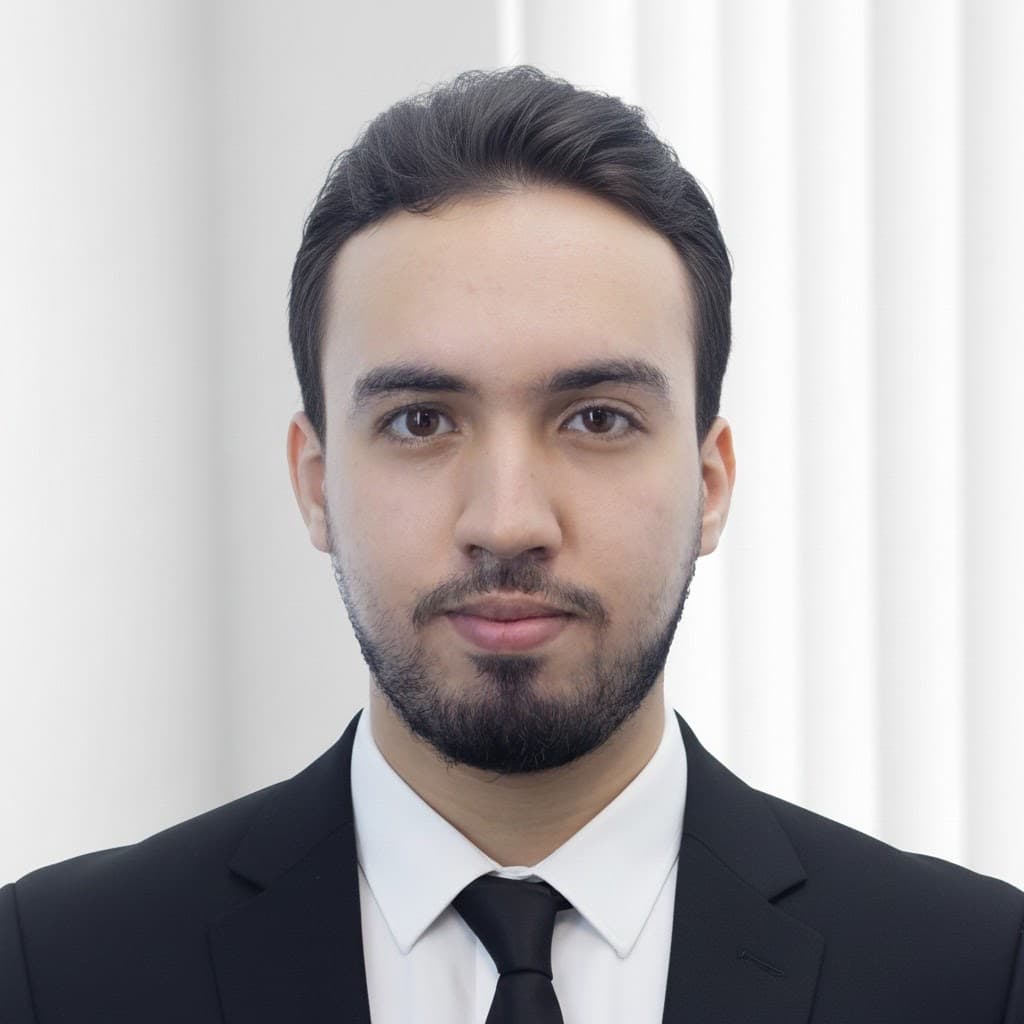
I'm Aymane Atigui, a Full Stack & DevOps freelance developer based in Casablanca, available for projects in France. This guide is aimed at developers in both Morocco and France.
1. Why become a freelance developer?
Freelancing appeals for good reasons: freedom to choose your projects, higher earning potential, and the ability to work with clients anywhere in the world from your laptop. But it's not a decision to take lightly.
The concrete upsides:
- Income often 2 to 3x higher than an equivalent salaried position
- Choice of your clients, your technologies, your hours
- The ability to work from anywhere (Morocco, France, international remote)
- Variety of projects — you're never stuck on the same codebase for 3 years
The real challenges:
- Irregular income, especially at the start
- You handle everything: sales, invoicing, accounting — and the code
- No paid leave, no automatic health coverage
- You have to sell yourself, something few developers enjoy
2. What technical skills do you need to start?
There's no "perfect" level to begin. What matters: being able to deliver a complete project, on your own, from start to finish.
At a minimum, master:
- A frontend framework (React, Vue, Angular)
- A backend (Node.js, Laravel, Django depending on your stack)
- Basic deployment (a VPS on DigitalOcean or a Vercel deploy)
- Git and async teamwork (clear commits, clean PRs)
What really sets you apart with clients:
- Knowing how to deploy to production (Docker, CI/CD, Linux) — most developers can't do this
- Understanding the basics of design and UX
- Communicating clearly — many technical freelancers can't pitch their work
3. Which legal status to choose?
In Morocco: the simplest form is the auto-entrepreneur status. You register with the Regional Investment Center (CRI), get your tax ID, and can invoice legally. The annual revenue cap is currently 500,000 MAD for services — plenty to get started. As your business grows, you can move to a SARL or SASU depending on your needs.
In France: the micro-entrepreneur status (formerly auto-entrepreneur) is the simplest way to start — online registration, minimal accounting, and charges based on actual revenue. The revenue cap is currently €77,700 for services. For higher income, a SASU or EURL can become worthwhile. Consult an accountant — it's worth the cost.
4. How to set your day rate?
It's the question everyone avoids asking clearly. Here are the real ranges in 2026:
In Morocco (Casablanca):
- Junior (0-2 years): 500 – 800 MAD/day
- Mid-level (2-5 years): 800 – 1,500 MAD/day
- Senior / Specialized: 1,500 – 3,000+ MAD/day
In France (remote):
- Junior: €250 – €350/day
- Mid-level: €350 – €550/day
- Senior / Architect / DevOps: €550 – €900/day
The simple rule: take the annual salary you'd target as an employee, divide by 100 (not by 220 days, since you won't be billable every day). Example: €60,000/year → a target day rate of €600/day. Don't slash prices to land your first client.
5. Where to find your first clients?
Freelance platforms:
- Malt.fr — the reference in France and Morocco. Very effective for tech profiles.
- Upwork — for international, mainly English-speaking clients
- Codeur.com — French-speaking market
- LinkedIn — underrated but very effective if your profile is well optimized
Inbound (what works long-term): a well-ranked online portfolio, blog articles that demonstrate your expertise, and an active GitHub with visible projects.
6. The essential tools to start well
Management: Notion or Linear. Communication: Slack, Loom for async demos. Invoicing: Invoice Ninja in Morocco, Shine/Indy/Henrri in France. And always work with a contract, even for small projects: scope, deadlines, rate, payment terms, intellectual property.
7. The mistakes to avoid when starting out
- Not signing a contract → you'll get burned
- Underpricing your day rate → you'll work too much for too little
- Taking on too many projects at once → poor quality, unhappy clients
- Ignoring accounting → guaranteed tax stress
- Not building a safety fund → one month without a project and it's panic
Conclusion
Becoming a freelance developer in 2026 is more accessible than ever, but it takes discipline: selling yourself, structuring yourself legally, delivering quality, and building your reputation over time. If you have questions about freelancing — in Morocco or France — feel free to get in touch.
Need a developer directly, no middleman? Here's how I work: freelance web developer — remote, same time zone as France, fixed price or daily rate.
Enjoyed this article?
Let's build something together.